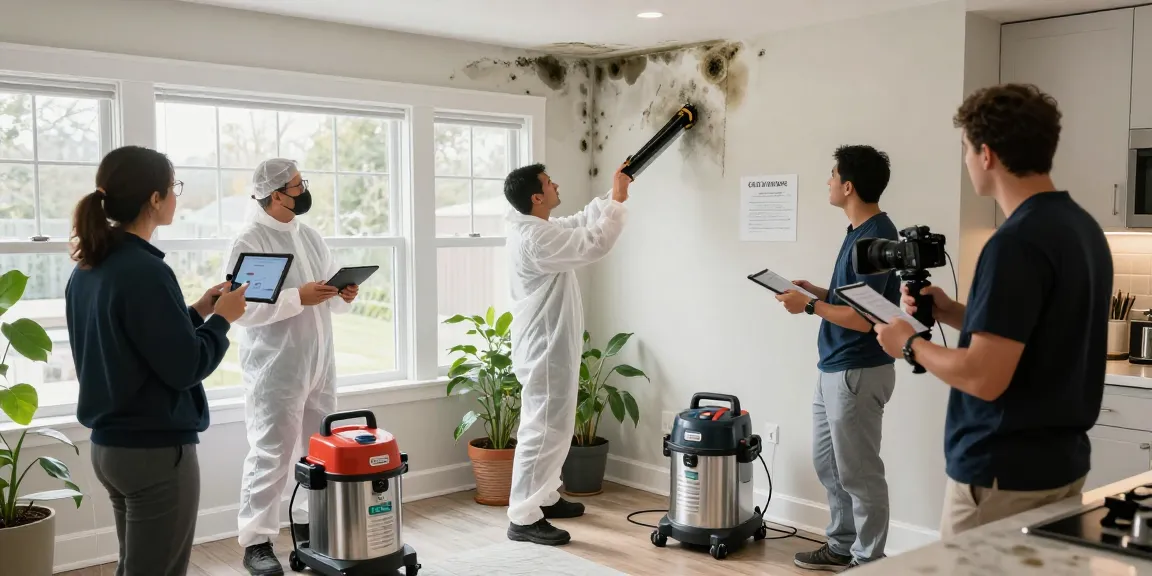
Understanding Mold Remediation in North Vancouver
Mold remediation is a critical process for homeowners, particularly in regions like North Vancouver, where the damp coastal climate creates ideal conditions for mold growth. Mold can severely impact both the structural integrity of a home and the health of its occupants. If you notice signs of mold, it’s essential to seek professional remediation services to address the issue effectively and safeguard your living environment. When exploring options, Mold Remediation North Vancouver provides comprehensive insights and solutions tailored to your needs.
What is Mold Remediation?
Mold remediation refers to the process of identifying, removing, and preventing mold growth in residential or commercial properties. The key goals of mold remediation are to eliminate existing mold colonies, prevent future mold growth, and restore the affected areas to a safe and healthy condition. This process typically involves thorough inspection, containment, removal of contaminated materials, air filtration, and applying antimicrobial treatments.
The Importance of Professional Mold Removal
While DIY methods may seem appealing, professional mold removal is recommended due to the complexities involved in effectively addressing mold issues. Professionals have the training, experience, and equipment necessary to manage and remediate mold safely. They ensure proper containment to prevent mold spores from spreading during the cleanup process, which is crucial for protecting both the inhabitants of the home and the integrity of the structure.
Mold Risks in North Vancouver Homes
The coastal climate of North Vancouver, characterized by high humidity and frequent rainfall, creates a perfect breeding ground for mold. Properties with inadequate ventilation, water damage, or poor moisture control are particularly vulnerable. Mold poses health risks such as respiratory problems and allergic reactions. Additionally, prolonged exposure can lead to more severe health issues, including chronic sinusitis and respiratory infections.
The Mold Remediation Process Explained
Step-by-Step Breakdown of Remediation
The mold remediation process consists of several essential steps designed to ensure thorough restoration and long-term prevention:
- Inspection: A detailed assessment of the property to identify mold presence and moisture sources.
- Containment: Establishing physical barriers to prevent mold spores from spreading.
- Air Filtration: Using specialized equipment to filter out airborne mold spores and improve air quality.
- Mold Removal: Safely removing contaminated materials and cleaning affected surfaces with antimicrobial solutions.
- Restoration: Repairing any damage caused by mold and restoring the property to its pre-mold condition.
What to Expect During Mold Inspection
During a mold inspection, a qualified technician will conduct a comprehensive assessment of your property. They will use tools such as moisture meters and thermal imaging cameras to detect hidden mold. The inspector will also look for any signs of water damage, which could contribute to mold growth. After the inspection, a detailed report will outline the findings and recommend next steps for remediation.
Post-Remediation: Ensuring Mold Doesn’t Return
After the remediation process, it’s crucial to implement measures to prevent future mold growth. This may include improving ventilation, repairing leaks, and controlling humidity levels in your home. Regular maintenance checks and moisture control practices can significantly reduce the likelihood of mold reoccurrence.
Costs Associated with Mold Remediation
Factors Influencing Mold Remediation Costs
The cost of mold remediation in North Vancouver can vary depending on several factors, including:
- The extent of the mold growth.
- The type of mold present (some types, like black mold, require more specialized treatment).
- The location of the mold (accessible areas are generally cheaper to remediate).
- Additional repairs needed post-remediation.
- The specific company’s pricing structure.
Comparative Costs: DIY vs. Professional Services
While DIY mold removal may seem cost-effective initially, it often results in incomplete remediation, leading to further problems down the line. Professional services, although more expensive, provide thorough treatment and peace of mind, ensuring that mold does not return.
Understanding the Value of Professional Help
Investing in professional mold remediation services provides not only immediate relief from current mold issues but also long-term safety and health benefits. Experts identify and address underlying moisture sources, implement effective containment strategies, and utilize advanced equipment for a comprehensive solution.
Health Implications of Mold Exposure
Common Health Issues Related to Mold
Mold exposure can lead to a wide range of health problems, especially for individuals with pre-existing conditions or weakened immune systems. Common issues include:
- Allergic reactions (sneezing, runny nose, skin irritation).
- Asthma attacks or exacerbation of asthma symptoms.
- Respiratory infections and sinusitis.
- Fatigue and headaches.
- Severe reactions in individuals with mold allergies or respiratory conditions.
Identifying Symptoms of Mold Exposure
Recognizing the signs of mold exposure is crucial for prompt action. Symptoms may vary, but common indicators include persistent cough, sneezing, itchy eyes, and skin rashes. If multiple members of the household experience these symptoms, it may be time to investigate the presence of mold.
Long-term Health Risks of Inadequate Remediation
Failing to address mold issues can lead to chronic health problems. Prolonged exposure can exacerbate respiratory diseases and lead to the development of conditions such as mold-induced asthma. Additionally, some studies suggest that long-term exposure to certain molds may lead to neurological issues. Thus, timely and thorough remediation is essential.
Preventing Future Mold Growth in Your Home
Best Practices for Moisture Control
Controlling moisture is key to preventing mold growth. Effective practices include:
- Maintaining humidity levels below 60% using dehumidifiers.
- Ensuring proper ventilation, particularly in high-moisture areas like bathrooms and kitchens.
- Regularly inspecting and repairing leaks in plumbing and roofing.
- Using vapor barriers in basements and crawl spaces.
Year-Round Mold Prevention Tips
To keep mold at bay throughout the year, consider the following tips:
- Regularly clean and maintain gutters to prevent water accumulation.
- Direct downspouts away from the foundation.
- Inspect and clean HVAC systems to ensure optimal performance.
- Employ mold-resistant building materials in vulnerable areas of the home.
Utilizing Antimicrobial Treatments Effectively
Antimicrobial treatments can be an effective addition to your mold prevention strategy. These treatments inhibit the growth of mold spores on various surfaces, making them invaluable in areas prone to moisture. Consult with professionals to determine the best options for your specific circumstances.
How Can Homeowners Identify Mold Early?
Being proactive about mold detection can save homeowners significant time and money. Regularly look for signs such as:
- Musty odors in enclosed spaces.
- Visible mold growth on surfaces.
- Peeling or bubbling paint and wallpaper.
- Water stains on walls, ceilings, or floors.
Frequently Asked Questions Regarding Mold Remediation
What Are the Signs That You Need Mold Remediation?
If you notice a musty smell, visible mold, or water damage, it’s crucial to consider mold remediation. Early detection can prevent more extensive damage and health issues.
How Long Does Mold Remediation Typically Take?
The duration of the remediation process varies based on the extent of the mold growth and the size of the affected area. Generally, it can take anywhere from a few hours to several days.
Can You Stay in Your Home During Remediation?
In some cases, it may be safe to stay in your home during remediation. However, for larger infestations or when hazardous molds are present, it’s advisable to vacate the premises temporarily to ensure safety.