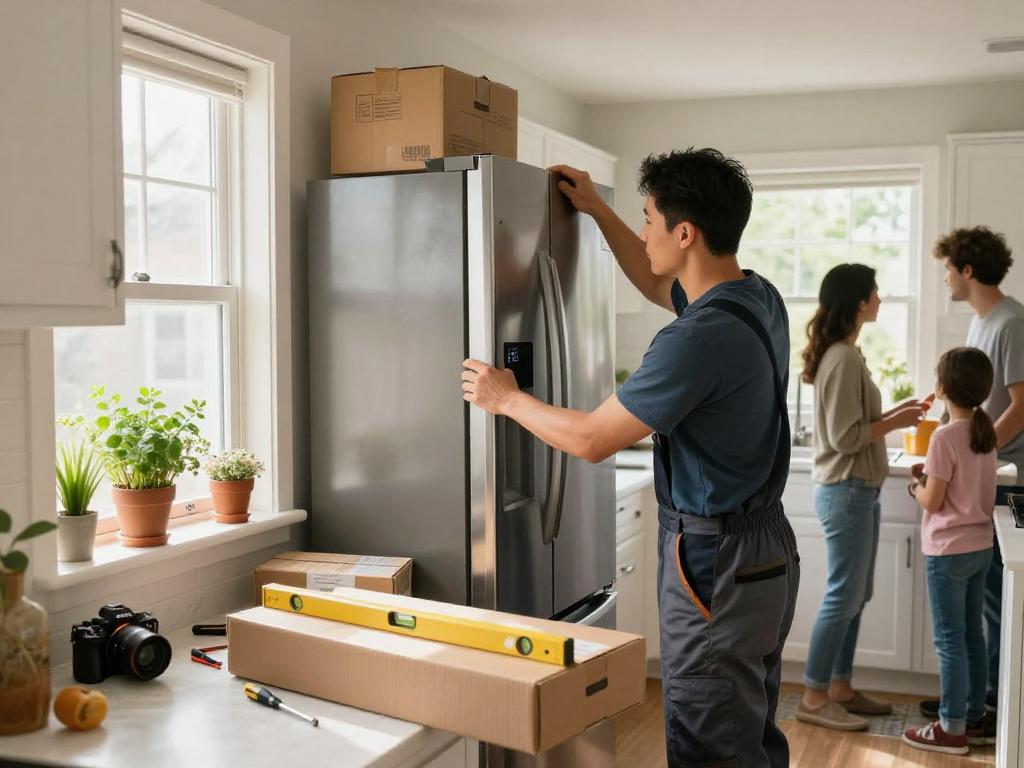
Understanding Appliance Installation Basics
In today's fast-paced world, the convenience of modern appliances is undeniable. They simplify our daily tasks, enhance our quality of life, and make our homes more efficient. However, proper appliance installation in Richmond Hill is crucial to ensure that these devices operate safely and efficiently. This article will delve into the fundamentals of appliance installation, exploring the types of appliances, the tools required, and the best practices to follow for a successful setup.
What is Appliance Installation?
Appliance installation refers to the process of setting up various household devices, including kitchen appliances like refrigerators, ovens, and dishwashers, as well as laundry equipment like washers and dryers. Proper installation ensures that these appliances not only function correctly but also comply with manufacturer specifications and safety standards. A faulty installation can lead to malfunctions, inefficient performance, or even hazards such as electrical fires or water leaks.
Common Types of Appliances and Their Requirements
Different appliances have distinct requirements that must be met during installation. Here are some common types:
- Refrigerators: Require a stable power supply, adequate ventilation, and sometimes a water line for ice makers.
- Ovens and Ranges: Typically need a dedicated electrical circuit or a gas line, depending on the model, along with proper clearance for safe operation.
- Dishwashers: Require hot water access, drainage lines, and electrical connections.
- Washing Machines: Need proper plumbing connections, electrical outlets, and sufficient space for operation and ventilation.
Key Tools and Equipment Needed for Installation
Proper installation requires a set of essential tools to ensure a smooth and efficient process. Common tools include:
- Drills: For creating mounting holes or anchors.
- Wrenches: For tightening and loosening fittings.
- Screwdrivers: For securing panels and connections.
- Level: To ensure appliances are installed straight and balanced.
- Measuring Tape: For accurate spacing and fitting measurements.
- Safety Gear: Including gloves and goggles to protect the installer during the process.
Choosing the Right Professional for Installation
Selecting the right professional for your appliance installation can greatly influence the outcome. When searching for a qualified installer, consider engaging with local experts who specialize in Appliance Installation in Richmond Hill. This ensures that you are utilizing services familiar with local codes and standards.
What to Look for in an Appliance Installer?
When hiring an appliance installer, it's crucial to evaluate their qualifications. Look for:
- Licensing and Insurance: Ensure the installer has the necessary licenses and insurance to protect you in case of accidents.
- Experience: A technician with substantial experience will more likely handle any complexities that may arise during installation.
- Specialization: Some installers specialize in certain types of appliances; make sure they are experienced with the specific devices you have.
Verification of Credentials and Experience
Before you finalize your decision, verify the credentials of the installer. Ask for references and look for reviews online. A reputable installer should have a proven track record of customer satisfaction and a portfolio of successfully installed appliances.
Customer Reviews and Recommendations
Customer feedback can be invaluable when selecting an installer. Check platforms like Google and Yelp for real user reviews. Recommendations from friends or family can also guide you to trustworthy professionals in your area.
Best Practices for Homeowners
For a successful installation, homeowners should adhere to some best practices. Preparing adequately can save time and ensure safety during the installation process.
Preparing Your Space for New Appliances
Before the installation, clear the area where the appliances will be placed. This includes removing any old appliances and ensuring that the space is clean and accessible. It's also wise to measure the area where the new appliance will go to confirm it fits as expected.
Understanding Manufacturer Guidelines
Each appliance comes with a manufacturer’s manual that outlines specific installation requirements and guidelines. Familiarize yourself with these instructions, as they often include details about necessary tools, precautions, and setup procedures.
Safety Measures to Consider During Installation
Safety should always be a priority. Make sure to follow electrical and plumbing codes, use proper personal protective equipment, and ensure that your workspace is organized to prevent accidents.
Common Challenges During Appliance Installation
Even with careful planning, challenges can arise during the installation process. Being aware of potential issues can help homeowners navigate them effectively.
Dealing with Space Constraints
Space limitations can pose significant challenges during installation. Measure your appliances and the designated area to avoid last-minute adjustments that could delay the process. If space is an issue, consider choosing models designed for compact living.
Electrical and Plumbing Considerations
Most appliances require specific electrical or plumbing setups. Ensure that existing outlet locations and water lines meet the necessary specifications. If modifications are needed, it’s often best to consult a professional to avoid complications.
Handling Unexpected Issues with Old Appliances
When removing old appliances, issues such as corrosion or hidden damage may arise. Be prepared to address these concerns, whether it means repairing existing plumbing or hiring a professional to ensure everything is safe and compliant before installing new units.
The Future of Appliance Installation in Richmond Hill
The appliance installation industry is continuously evolving, driven by innovations in technology and changes in consumer preferences. Staying informed about these trends will help homeowners make better decisions regarding their appliance setups.
Emerging Technologies and Innovations in Installation
Smart appliances are on the rise, introducing new installation requirements. Features like Wi-Fi connectivity and automation capabilities mean that homeowners may need tech-savvy professionals for installations in the future.
Trends to Watch in Home Appliances by 2026
As we approach 2026, expect to see trends in energy efficiency, sustainability, and smart technology integration. This includes appliances that conserve water and electricity, as well as devices that can be controlled remotely.
How to Stay Ahead of Changes in Installation Techniques
Homeowners should keep themselves updated on the latest trends in appliance technology and installation practices. Following industry publications, participating in local home improvement workshops, and engaging with professionals can help you stay ahead.
What benefits do professional appliance installations offer?
Professional installations ensure that your appliances are set up correctly, safely, and according to manufacturer guidelines, which helps prolong their lifespan and maintain warranties.
How can I ensure my new appliances are installed safely?
To ensure safety during installation, always follow the manufacturer’s guidelines, consult with professionals when necessary, and prioritize safety measures such as disconnecting power sources and properly managing water lines.
What are common mistakes during appliance installation?
Common mistakes include improper measurements, neglecting to follow manufacturer instructions, and failing to secure electrical and plumbing connections, which can lead to malfunctions or safety hazards.
When should I consider professional help for appliance installation?
If you are unsure about the installation process or if major modifications are needed, it’s wise to consult a professional. They can handle complexities and ensure everything is done correctly.
What are the latest trends in home appliance technology?
Current trends include smart appliances that connect to home networks, energy-efficient products that reduce consumption, and multifunctional designs that save space and fulfill multiple roles in one device.. Additionally, Range Repair Richmond Hill provides further details.